Maxillofacial Surgery, a specialized field of dentistry and medicine that focuses on the diagnosis and treatment of diseases, injuries, and defects involving the hard and soft tissues of the oral and maxillofacial 1 (mouth, jaws, face, and neck) region.
Think of it as surgery that bridges the gap between dentistry and medicine, dealing with complex issues in the face and jaws.
Maxillofacial surgeons are highly trained to treat a wide range of conditions, including:
Dental Implants: Placement of implants to support artificial teeth.
Wisdom Teeth Management: Surgical removal of impacted or problematic wisdom teeth.
Facial Trauma: Repair of fractures of the jaws, cheekbones, nose, and other facial bones due to accidents or injuries. This includes soft tissue injuries as well.
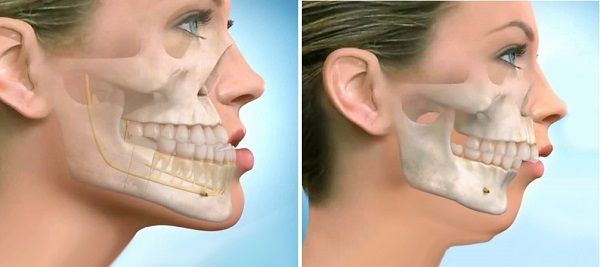
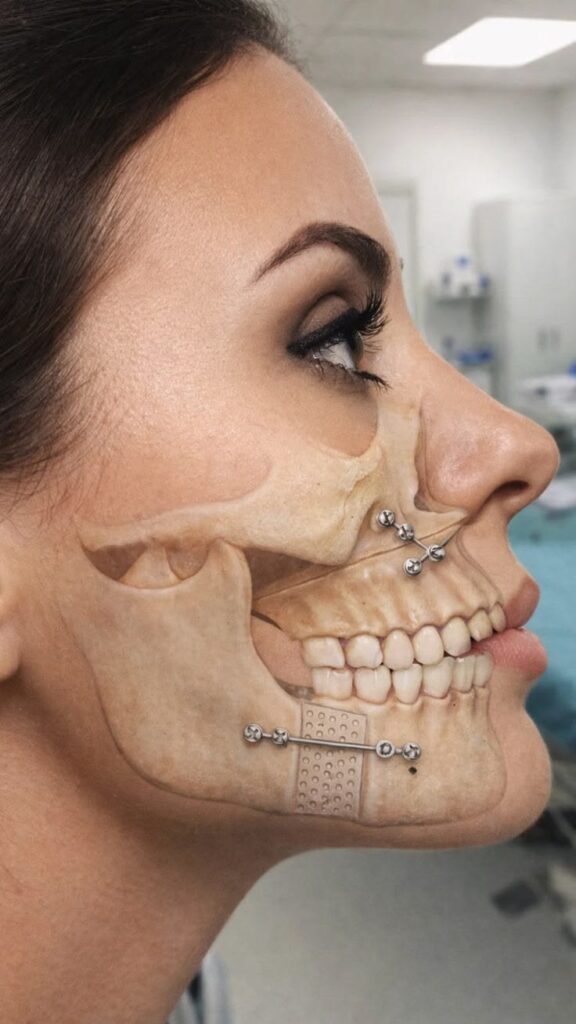
Corrective Jaw Surgery (Orthognathic Surgery): Surgical correction of misaligned jaws to improve bite, speech, and facial appearance. This is often done in conjunction with orthodontics.
Temporomandibular Joint (TMJ) Disorders: Diagnosis and surgical or non-surgical management of pain and dysfunction of the TMJ and surrounding muscles.
Oral and Facial Tumors and Cysts: Surgical removal and management of benign and malignant growths in the mouth, jaws, and face.
Cleft Lip and Palate Repair: Surgical correction of congenital deformities of the lip and palate in infants and children.
Facial Infections: Management of severe infections of the mouth, jaws, face, and neck.
Cosmetic Facial Surgery (Facial Plastic Surgery): Procedures to improve facial aesthetics, such as rhinoplasty (nose reshaping), blepharoplasty (eyelid surgery), facelifts, and chin augmentation. Note: The extent to which maxillofacial surgeons perform purely cosmetic procedures can vary based on their training and local regulations.
Sleep Apnea Surgery: Surgical options to treat obstructive sleep apnea by addressing airway obstructions in the jaws and throat.
Salivary Gland Disorders: Surgical treatment of tumors, stones, or infections of the salivary glands.
Reconstructive Surgery: Repair of defects resulting from trauma, surgery for tumors, or congenital abnormalities. This can involve bone grafting and soft tissue reconstruction.
Pre-prosthetic Surgery: Procedures to prepare the mouth for dentures, such as bone grafting or removal of excess tissue.
Management of Oral Diseases: Surgical treatment of certain oral diseases and conditions.
The training pathway for a maxillofacial surgeon is rigorous and varies slightly depending on the country. Generally, it involves:
Dental Degree (DDS/DMD): All maxillofacial surgeons have a background in dentistry.
Medical Degree (MD/MBBS – in many countries, especially for those practicing the full scope):
This provides a broader medical foundation.
Hospital-Based Surgical Residency: A lengthy and intensive residency program (typically 4-6 years or longer) focusing on surgical techniques, anesthesia, and patient management in a hospital setting. This residency covers areas like general surgery, plastic surgery, otolaryngology (ENT), and anesthesia, in addition to the specific maxillofacial surgery training.
Fellowships (Optional): Some surgeons pursue further specialized training in areas like head and neck oncology, facial trauma, craniofacial surgery, or cosmetic surgery.
You might be referred to a maxillofacial surgeon for various reasons, including:
Complex Dental Issues: Impacted teeth, complex extractions, or the need for dental implants, especially in challenging situations.
Facial Injuries: Fractures or soft tissue damage to the face and jaws.
Jaw Alignment Problems: If you have a significant underbite, overbite, or crossbite that requires surgical correction.
Tumors or Cysts: Growths in the mouth, jaws, or face that need surgical removal and often biopsy.
Cleft Lip or Palate: Specialized surgical care for these congenital conditions.
TMJ Disorders: When non-surgical treatments are ineffective and surgery is considered.
Cosmetic Facial Concerns: If you are considering surgical procedures to improve your facial appearance.
Sleep Apnea: When surgical options to improve the airway are being explored.
Maxillofacial surgery plays a crucial role in
:Restoring Function: Improving chewing, speaking, and breathing.
Alleviating Pain: Managing conditions like TMJ disorders and facial pain.
Correcting Deformities: Addressing congenital issues like cleft lip and palate or acquired deformities from trauma or surgery.
Treating Diseases: Managing infections, tumors, and cysts in the facial region.
Improving Aesthetics: Enhancing facial appearance and boosting self-confidence.
Improving Quality of Life: Addressing conditions that can significantly impact a person’s daily life